India’s No.1 AYUSH Dermatology & Cosmetology Institute
Admissions Open For CADC-December 2026 Batch Update – New Fee Structure for CADC Programs
Admissions Open For CADC-December 2026 Batch Update – New Fee Structure for CADC Programs
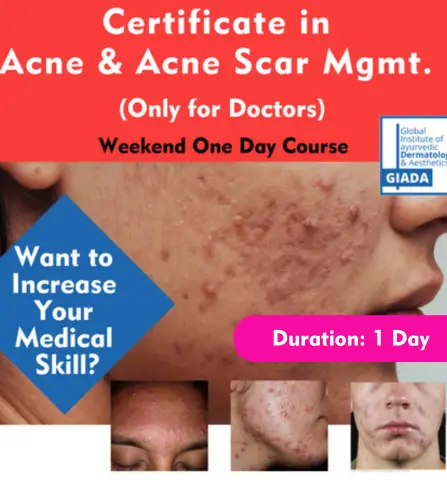
Learn the most effective way to treat Acne and acne scar with the help of Ayurveda and modern techniques. The para surgical...
Read More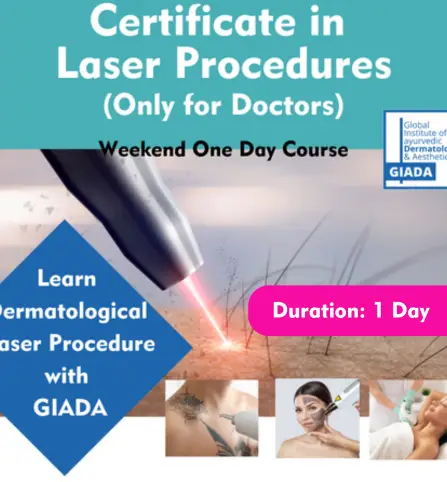
Master the art of laser procedures in just one day with our Certificate in Laser Course...
Read More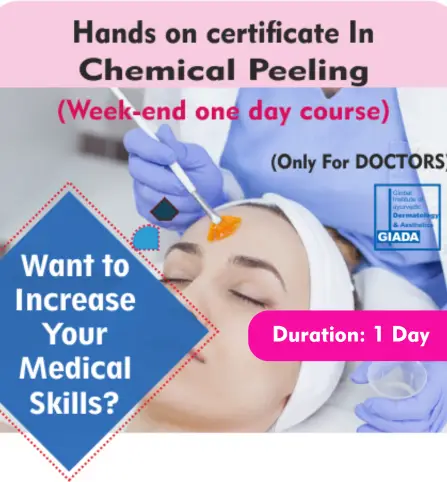
Peeling technique is helpful to bring out the new skin layer with freshness and improve the texture by a controlled...
Read More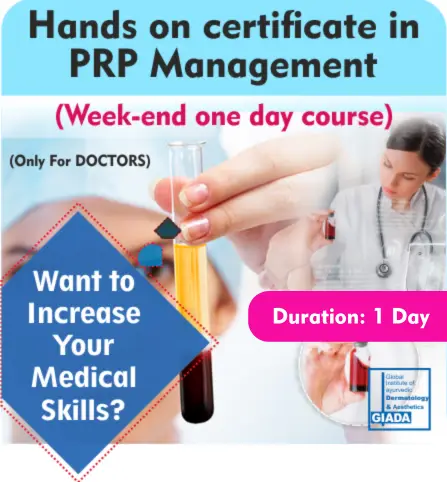
Platelet Rich Plasma treatment is effective in treating many hair and skin problems. There are different techniques...
Read More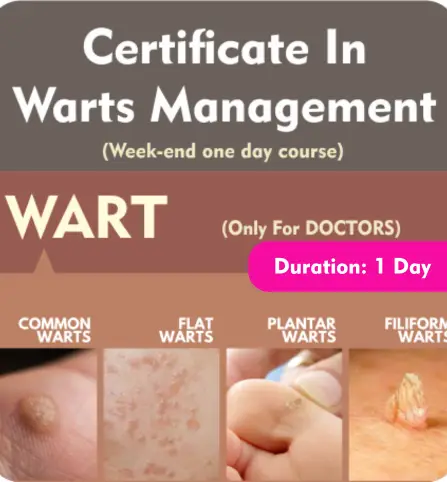
Warts are highly contagious and are mainly passed by direct skin contact. Due to high recurrence rate of warts after treatment...
Read More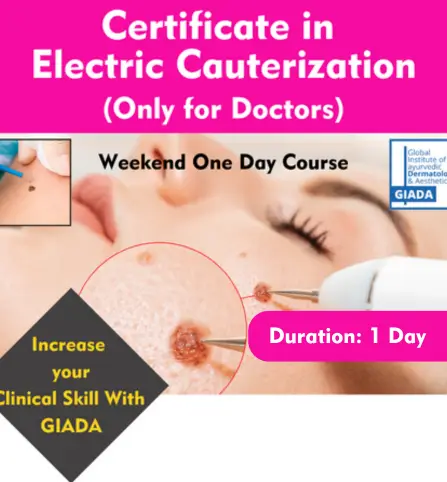
Warts are highly contagious and are mainly passed by direct skin contact. Due to high recurrence rate of warts after treatment...
Read MoreThat's just the reality. You might be running a small clinic, assisting somewhere, or still finishing your internship. A full-time three or six month program sounds useful in theory, but doesn't always fit into where you are right now.
That's where one day certificate courses come in. They're not a replacement for structured training — but for a practicing doctor who wants to learn a specific procedure properly, a focused weekend workshop can be genuinely useful. You come in, you work hands-on, and you leave with something concrete.
GIADA offers six such procedure-focused workshops, each designed for BAMS and other AYUSH doctors who want to add a specific clinical skill without putting everything else on hold.
Each of these is a one-day, weekend program. They are procedure-specific — meaning each workshop focuses on one area, goes into it with some depth, and includes hands-on practice.
These are not theory lectures packed into a day. The focus is on doing — understanding the procedure, learning the technique, and getting supervised practice. For a doctor who has been curious about laser procedures, or has been seeing acne patients without a structured approach, this kind of focused exposure can make a real difference in day-to-day practice.
They are open only for doctors — BAMS, BHMS, and other qualified practitioners. Not for students still in their final year.
Here is a brief overview of what each workshop covers and who it is likely to benefit:
Acne is one of the most common complaints doctors hear — across all age groups. But managing it well, especially when scarring is involved, requires more than a basic prescription approach.
This one-day workshop covers both Ayurvedic and modern techniques for treating active acne and acne scars. The parasurgical side of acne scar management is also part of the program. If a significant portion of your patients deal with skin issues, this is one of the more immediately applicable workshops to attend.
Laser is something a lot of doctors are curious about but haven't had the chance to learn in a structured way. This workshop introduces dermatological laser procedures — what they are used for, how different laser types work, and how to handle them safely.
One day is not enough to master laser, but it is enough to understand the fundamentals and get initial hands-on exposure. For doctors considering a skin-focused practice, this serves as a solid starting point before going deeper.
Chemical peeling is widely used for pigmentation, uneven skin tone, acne marks, and overall skin texture improvement. It is also one of those procedures that looks straightforward but has real nuance in terms of peel selection, skin preparation, and aftercare.
This workshop is hands-on from the start. You work with actual peeling agents, understand the technique, and learn how to assess which peel is appropriate for which skin type. A useful skill to have in any skin-focused practice.
Platelet Rich Plasma therapy has become genuinely popular for both hair loss and certain skin conditions. The procedure involves drawing blood, processing it, and using the plasma therapeutically — which means technique and protocol matter a lot.
This workshop covers the different approaches to PRP, the preparation process, and its application for both hair and skin concerns. If you are already seeing patients with hair fall or skin rejuvenation needs, learning PRP adds a concrete treatment option to your practice.
Warts are extremely common and patients frequently look for reliable treatment. Despite being a common condition, managing warts — especially stubborn or recurring ones — requires knowing the right techniques.
This workshop covers both the clinical understanding of warts and the practical methods used to manage them. For a general practice or a skin-focused clinic, this is a skill that comes up regularly and is worth learning properly.
Electric cauterization is used for a range of minor skin procedures — removing skin tags, small lesions, and similar concerns. It is one of those procedural skills that, once learned, gets used quite frequently in a clinic setting.
This one-day workshop covers the technique, safety protocols, and appropriate use cases for cauterization. It is a practical addition for any doctor looking to handle minor skin procedures independently.
If you are just beginning to explore dermatology and cosmetology, one of these workshops can help you understand whether this is a direction you want to go further in. It is a low-commitment way to get real exposure before deciding on a longer program.
If you are already practicing and want to add a specific procedure to your clinic, these workshops are designed exactly for that — focused, practical, and relevant to what you would actually use.
And if you are someone who has already completed or is planning to enroll in the full CADC program, these one-day workshops can work alongside that training — reinforcing specific procedures with dedicated practice time.
These workshops exist because not every doctor is in a position to take extended training right now. A one-day, hands-on certificate course after BAMS is not the same as a full diploma or fellowship — and it does not claim to be. But for learning a specific procedure properly, in a clinical environment, with supervised practice — it is a practical and honest option.
If you want to understand the bigger picture of dermatology training for AYUSH doctors, the CADC program page covers the longer, more comprehensive course options in detail.